
Patient Education · Western Surgical and Sedation
Wisdom teeth — the third molars at the very back of the mouth — are among the most commonly discussed and least understood parts of dental care. Most people know that wisdom teeth are often removed, but far fewer understand why some people need extraction and others do not, or why timing matters as much as it does.
If you are a patient wondering whether your wisdom teeth need to come out, or a parent trying to make a decision for your teenager, this guide covers what dentists actually evaluate, why age plays a significant role in the recommendation, and what the consequences of waiting can be.
Not Everyone Needs Their Wisdom Teeth Removed
This is worth stating clearly at the outset: wisdom tooth extraction is not automatic or universal. Some people have adequate jaw space, their third molars erupt into proper position, and those teeth function normally for a lifetime without issue.
However, this outcome is less common than most people assume. The human jaw has become smaller over evolutionary time while the number of teeth has stayed the same, which means that for a significant portion of the population, there simply is not enough room for third molars to erupt into a functional position.
When there is not enough room, the tooth becomes impacted — trapped partially or entirely beneath the gum and bone. Impacted teeth are the primary reason extraction is recommended.
What Dentists Actually Evaluate
The decision to recommend extraction is based on a specific clinical assessment rather than a general rule. Here is what your dentist is evaluating:
Available space
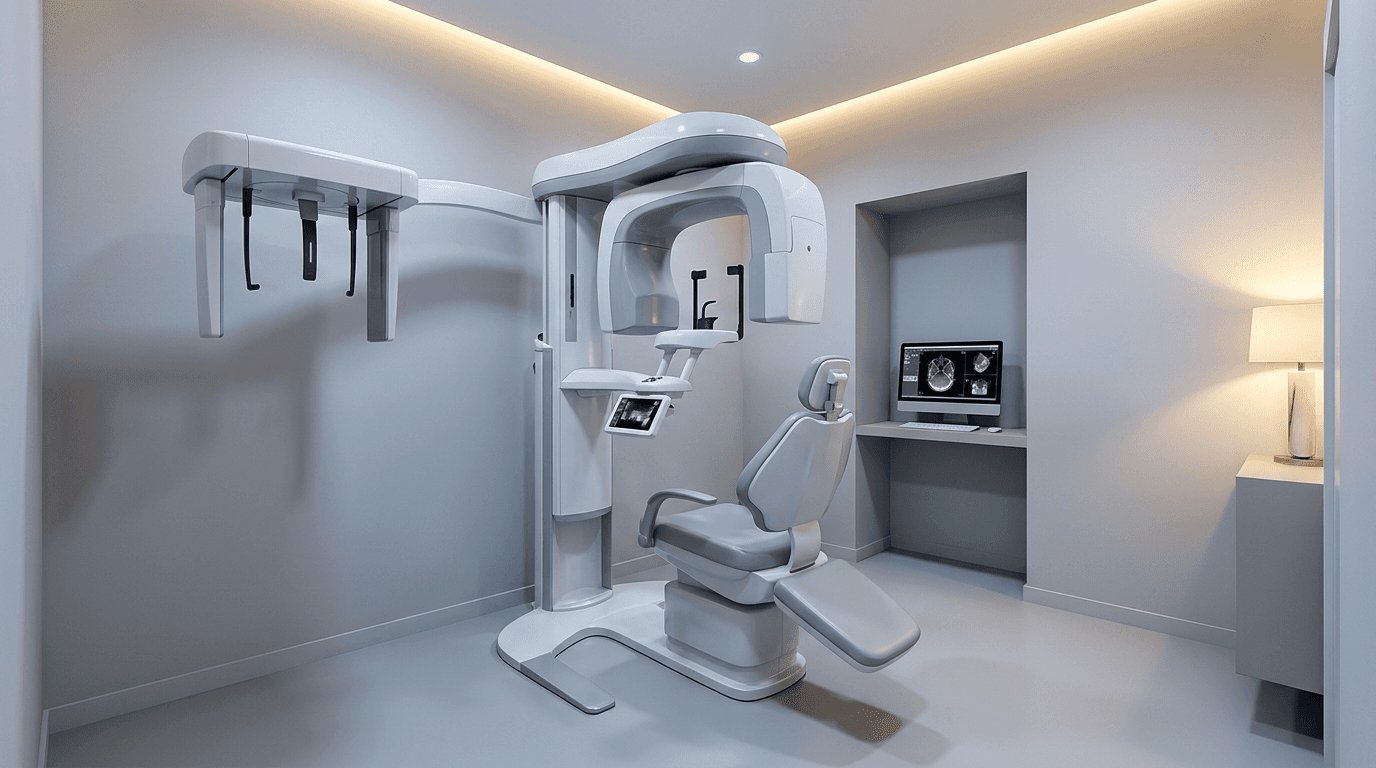
Using a panoramic radiograph, your dentist measures the space available between the second molar and the ascending portion of the jawbone. If this space is insufficient for the third molar to fully erupt, the tooth will remain impacted.
Angulation
Impacted third molars can be positioned at various angles — tilted forward against the adjacent tooth, tilted backward, positioned horizontally, or oriented vertically. The angulation affects both the likelihood of problems developing and the complexity of extraction if it is performed.
Position relative to nerves and other structures
Lower third molars sit near the inferior alveolar nerve, which provides sensation to the lower lip and chin. The proximity of the tooth roots to this nerve affects both the risk assessment for extraction and, in some cases, the technique used.
Signs of current or developing problems
Decay in the third molar or in the adjacent second molar where the impacted tooth contacts it
Gum inflammation or recurrent infection around a partially erupted tooth
Cyst formation around the crown of an unerupted tooth
Bone loss on the adjacent tooth caused by the impacted third molar
Pain, swelling, or difficulty opening the mouth
The absence of pain does not mean the absence of a problem. Many impacted third molars cause decay, bone loss, or cyst formation without producing any symptoms until the damage is significant.
Why Age Matters — The Case for Earlier Removal
If extraction is indicated, timing has a meaningful effect on both the procedure and the recovery. This is the reason many dentists recommend extraction during the late teens or early twenties rather than waiting.

Root development
Third molar roots are not fully formed in the mid-to-late teens. Extracting a tooth with incompletely developed roots is generally simpler, involves less bone removal, and carries lower risk of complications involving nearby structures. As roots fully develop and lengthen — typically completing in the early to mid-twenties — extraction becomes more complex.
Bone density
Bone is less dense and more elastic in younger patients. This makes the surgical procedure less traumatic and healing more efficient. Bone density increases with age, making extraction more difficult and recovery somewhat longer.
Healing capacity
Younger patients generally heal faster and with fewer complications following oral surgery. The rate of dry socket and prolonged recovery increases with patient age.
Nerve proximity
Because roots are still developing in younger patients, the proximity between root tips and the inferior alveolar nerve is often less pronounced than it becomes when roots reach full length. This reduces the risk of nerve-related complications during extraction.
For these reasons, the window between roughly ages 16 and 22 is often considered optimal for third molar extraction when extraction is indicated — though the right timing always depends on the individual case rather than a fixed age.
What Happens If You Wait
Delaying extraction of a problematic third molar does not eliminate the need — it typically increases the complexity and the risk. Common consequences of waiting include:
Decay developing in the impacted tooth or in the adjacent second molar, potentially requiring treatment of an otherwise healthy tooth
Recurrent pericoronitis — infection of the gum tissue over a partially erupted tooth — which can become severe and require urgent treatment
Bone loss on the distal surface of the second molar, which can compromise that tooth's long-term prognosis
Cyst formation around the crown of an unerupted tooth, which can cause significant bone destruction if left untreated
A more complex, longer, and more uncomfortable extraction procedure when it eventually becomes unavoidable
For adults who have reached their thirties or forties with impacted third molars that have not caused problems, the calculation changes somewhat — the risk of extraction increases with age, and in some cases monitoring rather than immediate extraction is appropriate. This decision should always be made in consultation with a dentist who has evaluated the specific case.
Where Should You Have Wisdom Teeth Removed?
Historically, wisdom teeth extraction was almost always performed by an oral surgeon following a referral from a general dentist. That is changing.
A growing number of general dentists have completed specialized training in impacted third molar extraction and perform these procedures in their own practices — often with IV sedation available for patient comfort. For many patients, this offers meaningful advantages: a familiar environment, a provider relationship already built on trust, and the convenience of receiving care without a referral to an unfamiliar practice.
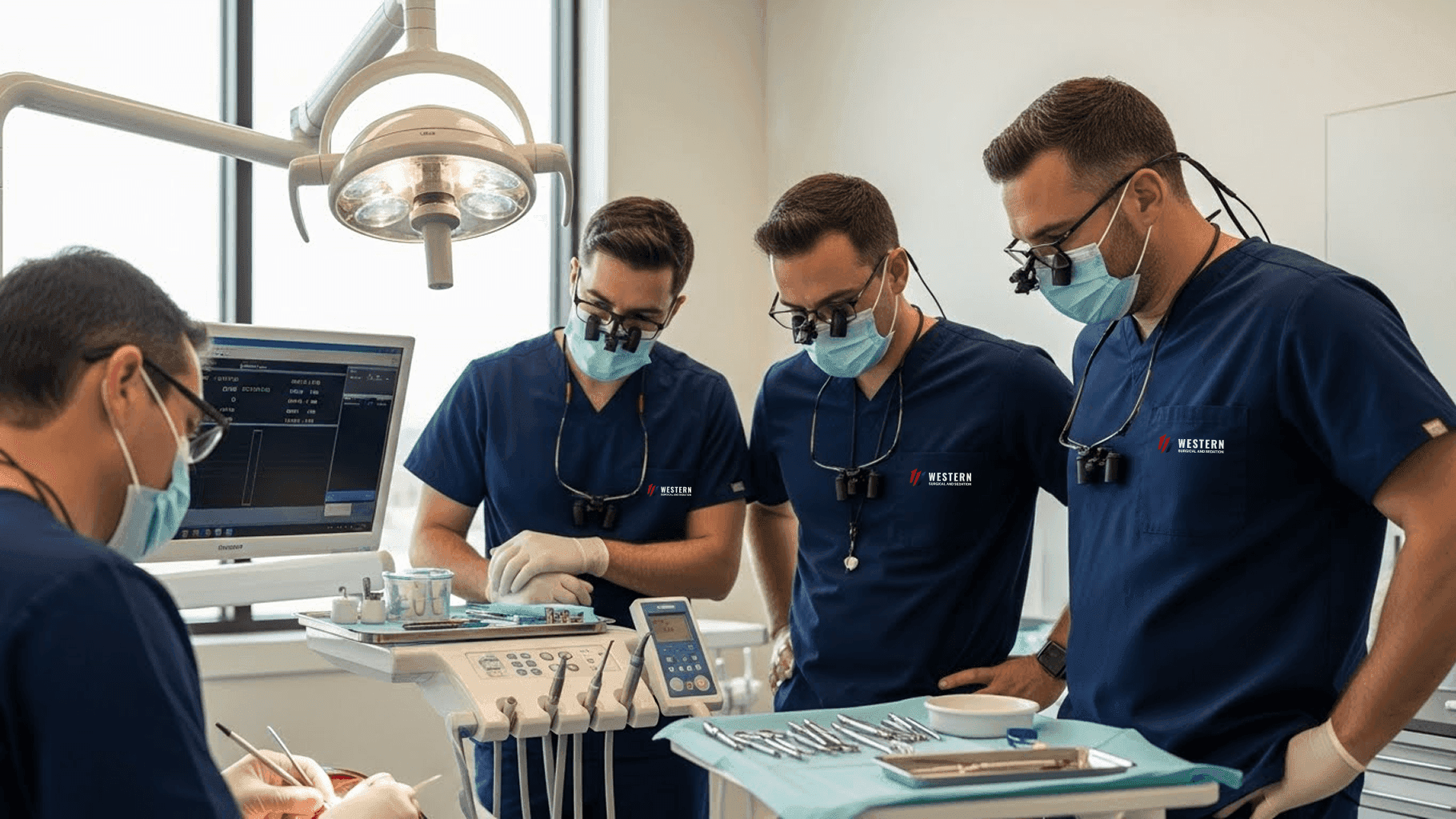
Western Surgical and Sedation trains general dentists specifically in impacted third molar technique through live patient surgical training, so that patients can receive this care from the dentist they already know.
Whether your care is provided by your general dentist or an oral surgeon, the important factors are the same: appropriate case evaluation, clear communication about the procedure and recovery, comfort options that match your needs, and attentive post-operative care.
Frequently Asked Questions
What is the ideal age for wisdom teeth removal?
When extraction is indicated, the late teens through early twenties is generally considered the optimal window because roots are not yet fully developed, bone is less dense, and healing is typically faster. However, the right timing depends on individual development and clinical findings — some patients benefit from earlier evaluation, others from waiting.
Do wisdom teeth have to be removed if they aren't hurting?
Not always, but the absence of pain does not mean the absence of a problem. Many impacted third molars cause decay, bone loss, or cyst formation without symptoms. Regular radiographic monitoring allows your dentist to identify developing problems before they become symptomatic or cause damage to adjacent teeth.
Can all four wisdom teeth be removed at once?
Yes, and this is the most common approach. Removing all four in a single appointment means one recovery period rather than multiple, and is generally more efficient for the patient. IV sedation makes this approach comfortable for most patients.
How long does recovery take?
Most patients return to normal daily activities within three to five days, with swelling and discomfort peaking around day two to three. Complete soft tissue healing typically occurs within two weeks. Recovery is generally faster in younger patients.
Will my child need sedation?
Sedation is not required but is commonly offered, particularly for cases involving multiple impacted teeth or for patients with dental anxiety. IV moderate sedation allows the procedure to be completed comfortably with little to no memory of it afterward. Your dentist will discuss the appropriate options for your child's specific situation.
Wisdom teeth care from the dentist you already trust.
Western Surgical and Sedation trains general dentists to perform impacted third molar extractions with IV sedation in their own practices — so patients don't need a referral to receive expert surgical care.
Learn more at westernsurgicalandsedation.com



Related Articles
Related reading
Explore articles connected to surgical training, IV moderate sedation, and real world clinical decision making, selected to support dentists applying advanced care in daily practice.